

Spirituality
Spirituality at Coleshill Church of England Primary School is deeply intertwined with our Christian vision of love, hope, and belonging, which lies at the heart of everything we do. As a Church school, we are committed to nurturing the whole child and supporting both pupils and adults in developing a deeper understanding of spirituality in a way that is meaningful, inclusive, and relevant to their lives.
We strive to create a school environment where everyone feels a strong sense of belonging, is surrounded by love and care, and is inspired by hope for themselves and for the wider world. Through this, we aim to ensure that all members of our community are able to grow, reflect, and flourish spiritually.
In light of this, we have developed our own shared understanding of spirituality at Coleshill CE Primary School. In our school, we refer to spirituality as
‘The way wows, ows and nows shape me into the person that I am and will become’.
We understand spirituality through four interconnected dimensions:
- Uniqueness: recognising and valuing our own identity and the uniqueness of others. This develops self-awareness, confidence, a sense of worth, and an appreciation and respect for difference.
- Stillness: creating moments of stillness for reflection, prayer and being present, enabling individuals to experience awe and wonder, particularly in the natural world, think deeply and respond thoughtfully.
- Questioning: engaging with life’s ‘big questions’ about meaning, purpose, belief and truth, and developing the confidence to explore and express ideas.
- Connection: building relationships with others, appreciating the natural world and, for some, developing a relationship with God.
Spirituality is personal and inclusive. We understand that spirituality is not the same as having a religion or faith; a person may be spiritual with or without religious belief. As a Church of England school, we recognise that for many, spirituality is rooted in faith and a relationship with God.
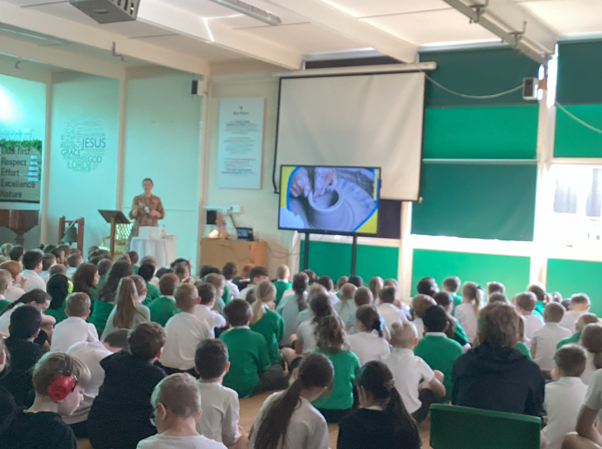
Kintsugi
This language of spirituality begins from a Christian understanding that everyone is a valued creation, individually and uniquely made by God, like pots made by a potter (Isaiah 64:8). Yet, in life things happen that impact on the physical ‘pot’ of life and create cracks that provide a glimpse of something ‘beyond’ the tangible. Christians would view this as an opportunity to relate to the Divine Creator God.
Cracks may be caused when something so good and breath-taking happens that the pot expands and cracks – the wows of life.
Cracks may happen when something challenging happens and threatens the comfort of everyday – the ows of life.
Cracks can also happen in the stillness and ordinariness of everyday – the nows of life, when a moment of stillness, a pause or prayer creates a crack in the normal, physical everyday.
In these special moments there is a spiritual opportunity. Kintsugi, the Japanese art of mending broken ceramics with golden joinery or glue, creates something that has been broken into something even more beautiful. Using this metaphor, the wows, ows and nows of life offer the possibility of cracks that are filled with gold and make the pot even more beautiful. The gold in the cracks reflect a little of the wonder of spirituality.
At Coleshill Primary School, we use this language and the concepts of wows, ows and nows to explore relationships with ourselves, others, the wider natural world and beyond, and offering the invitation to relate to God.

Spirituality in Collective Worship
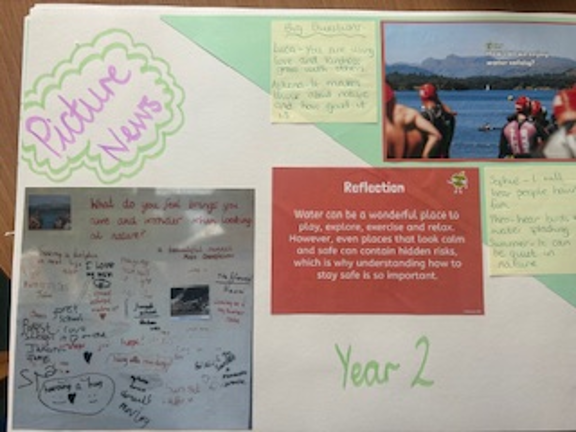
Spirituality is deeply embedded within our Collective Worship, where pupils and adults are given regular opportunities to reflect, learn, and grow within the context of our Christian vision of love, hope, and belonging.
Through Collective Worship, we create space for moments of stillness, reflection, and deeper thinking. Children are encouraged to make connections between what they hear, their own lives, and the wider world around them. We support this by using a rich variety of resources and approaches, including:
- Roots and Fruits – helping pupils explore Christian values and how these can be lived out in everyday life
- Picture News – enabling children to reflect on current events, consider different perspectives, and respond with compassion and understanding
- Wild Worship – providing opportunities for spiritual reflection in the natural world, fostering awe and wonder
- Bible Group and worship led by Reverend Sarah – strengthening our understanding of scripture and deepening our link with the church
Within worship, pupils are given time and space to engage with spiritual reflection, often using our shared language of spirituality such as WOW, OW, and NOW moments. These opportunities allow children to:
- Reflect on moments of awe and wonder
- Consider times of challenge or difficulty
- Experience stillness and mindfulness
In addition, Class Worship provides a more intimate space for children to explore these ideas further. Pupils engage in meaningful discussions, personal reflection, and, if they wish, prayer. These sessions help children to develop confidence in expressing their thoughts and feelings, while also respecting the views and experiences of others.
Through these experiences, spirituality becomes a natural and valued part of school life, supporting all members of our community to reflect deeply, learn meaningfully, and live out our vision with purpose and care.
Spirituality Across the Curriculum
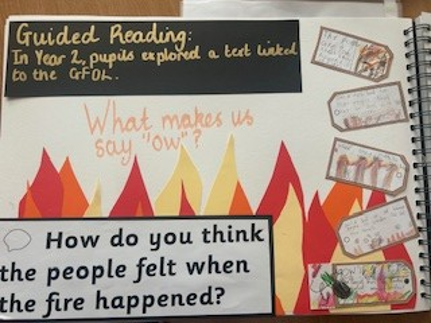
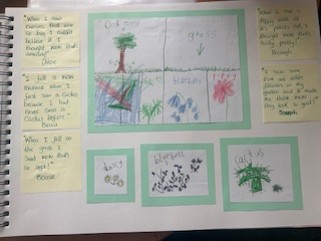
Our staff have collaboratively developed a comprehensive Spirituality Across The Curriculum document. This resource outlines the spiritual opportunities available in each subject and includes thought-provoking questions that teachers will incorporate into their lessons. This aims to enrich the educational experience by integrating spiritual reflection and growth into our curriculum. See below for the document.
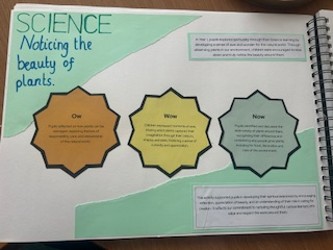
For each half term, we designate at least three ‘spiritual moment opportunities’ for each class. These are linked to the curriculum and ensure that spirituality is taught across all areas of the curriculum for each class. See below for an example of some planning.
Spirituality Days
As part of our commitment to developing spirituality across our school, we have introduced dedicated Spirituality Days to deepen understanding for both pupils and staff. These days have provided a meaningful starting point for exploring what spirituality looks and feels like within our school community.
We began with a special act of Collective Worship centred around the Japanese art of Kintsugi, where broken pottery is repaired using gold, celebrating its cracks rather than hiding them. This powerful image helped us reflect on the ‘golden cracks’ in our own lives – the experiences, challenges, and changes that shape who we are. In a memorable shared moment, we even smashed a vase together, symbolising that brokenness can be transformed into something beautiful and valued.
Throughout the day, we explored the concept of:

- WOW moments – times of awe and wonder in the world and in our own lives
- OW moments – times of difficulty, challenge, or reflection, where we may choose to pray or reflect
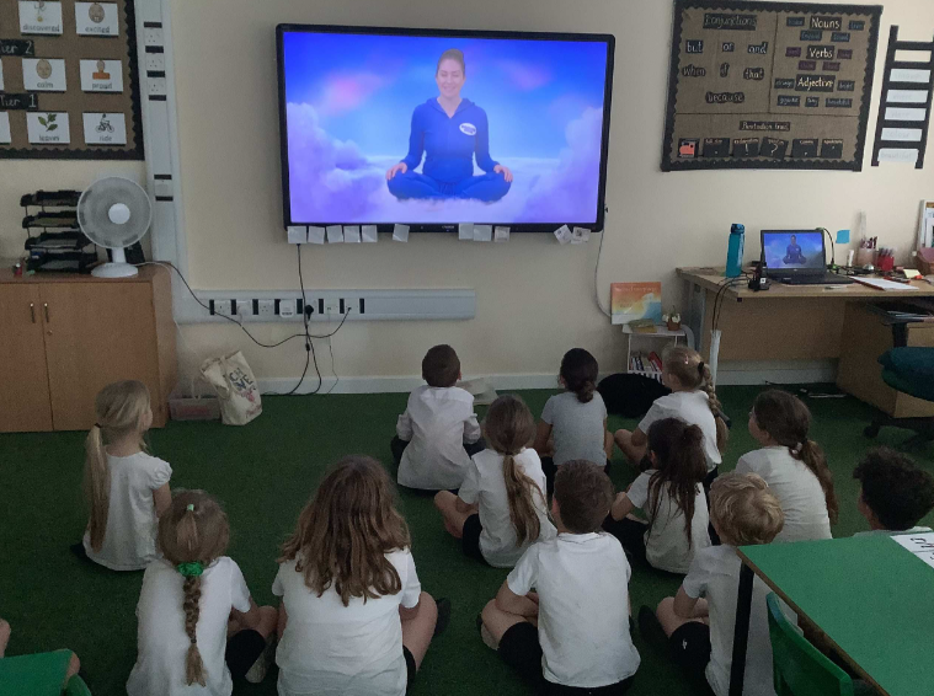
- NOW moments – opportunities to pause, be still, and become aware of our thoughts and feelings
Children and staff engaged thoughtfully with these experiences, sharing personal reflections, celebrating joyful memories, and taking time for stillness and quiet contemplation.
The impact of this day has been highly positive, with pupils and adults commenting on the sense of calm and reflection it brought:
- “It was so calm and peaceful.”
- “I loved thinking about the happy times in life.”
These Spirituality Days are helping us to embed a shared language and understanding of spirituality, supporting our vision of love, hope, and belonging, and enabling all members of our community to grow emotionally, spiritually, and personally.
Windows, Mirrors and Doors
Building on our first Spirituality Day, we continued to deepen our understanding of spirituality through a second dedicated day, exploring the ideas of windows, mirrors and doors.
This approach helped us to reflect on spirituality in three meaningful ways:

Windows – looking out at the world with curiosity and awe, noticing beauty, diversity, and the experiences of others

Mirrors – looking within, reflecting on our own thoughts, feelings, beliefs, and values

Doors – stepping out into the world, considering how we can respond, make choices, and take action
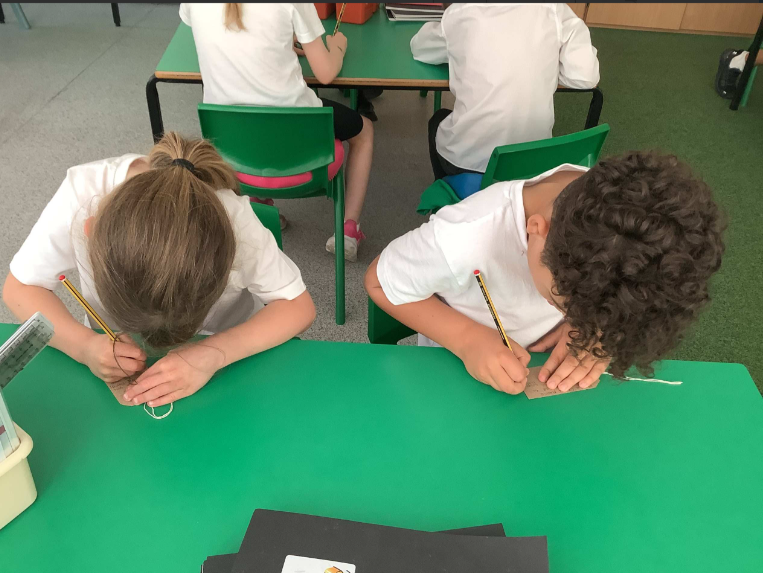
Throughout the day, children and staff engaged in a range of reflective and creative activities, encouraging them to think deeply about themselves, others, and their place in the world. This provided valuable opportunities to pause, reflect, and develop a greater awareness of both inner thoughts and outward actions.
These experiences support our pupils in making connections between reflection and action, empowering them to live out our vision of love, hope, and belonging in practical ways. By encouraging both inward reflection and outward responsibility, we are helping children to grow as thoughtful, compassionate individuals who are ready to engage positively with the wider world.
Our Spirituality Days continue to embed a shared language across the school, enabling pupils to articulate their ideas and experiences of spirituality with increasing confidence and depth.
Come back soon to see the evidence from our next Spirituality Day!